✦

One village, one language,
one verifiable fact.

Istella sets to music the Sardinian villages nobody sings — not the coast, not the postcard places, but the inland villages: Nulvi, Erula, Chiaramonti, Bortigiadas. Every song starts from a documented fact, and is sung in that village's own language: Logudorese, Nulvese, Gallurese.

This is not traditional music. It is afro house, built on launeddas, button accordion and guttural voices, with lyrics reviewed and corrected by people who actually speak the language.

Istella — Sardigna sonat
The songs

Cartas de Sardigna

One village, one language, one verifiable fact.

One village per song, sung in its own language, built on a documented fact and put to the villagers before release. Afro house at 122 bpm.

Sas Pedras Faeddant — Ploaghe

Sas Pedras Faeddant

Ploaghe·Logudorese of Ploaghe

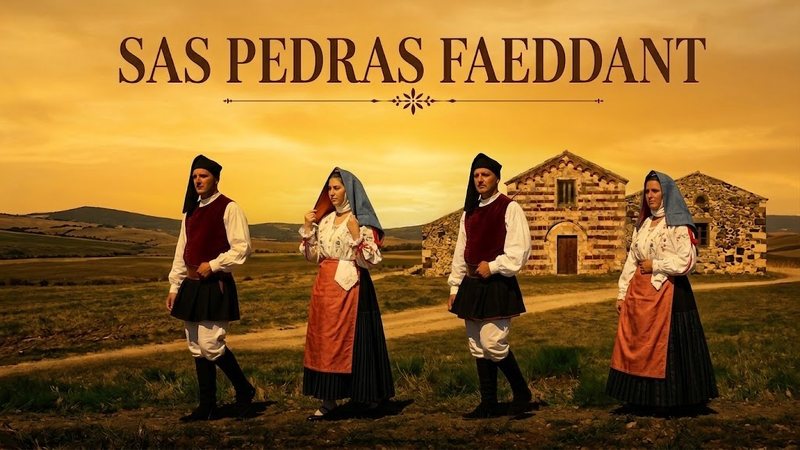
In the old cemetery of Ploaghe (Piaghe), blessed in 1797, most of the white marble slabs are written in Logudorese Sardinian, not in Italian: names, ages, trades, and the word Pax. After the cholera of 1855 the village built another graveyard; the stones stayed where they were.

Listen →
Lu Ramu Sottu Mari — Bortigiadas

Lu Ramu Sottu Mari

Bortigiadas·Gallurese

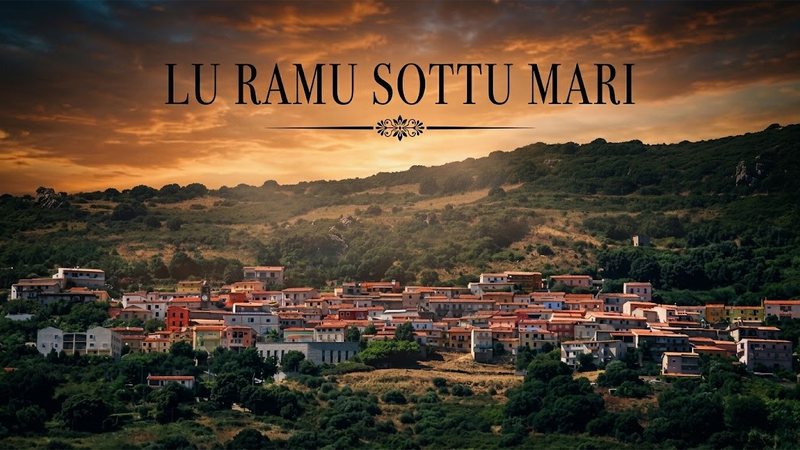
In 1943, according to the only source found so far, 500 tonnes of copper ore left the Li Menduli mine at Bortigiadas (Bultiggjata) and sank with the ship carrying them. The account still needs to be cross-checked: if you know the ship's name or an archive record, write to me.

Listen →
Balca di Bronzu — Erula

Balca di Bronzu

Erula·Gallurese

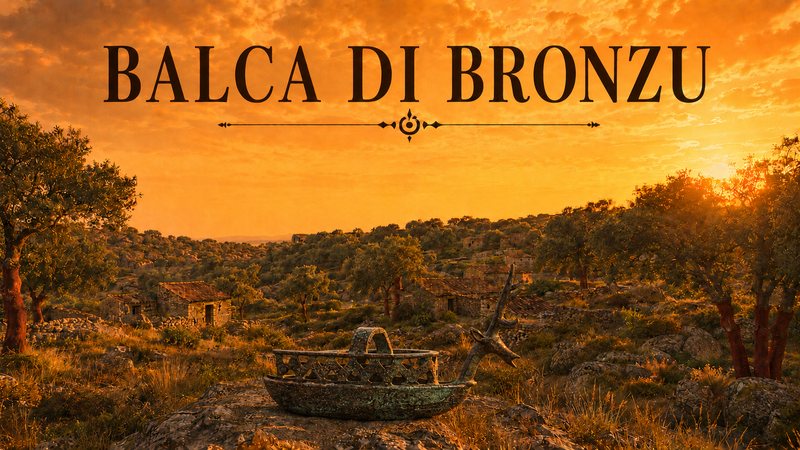
At the Spiene nuraghe a votive bronze boat with a deer-headed prow was unearthed; it is now in the National Archaeological Museum of Cagliari. A miniature vessel, offered and laid down, that never sailed — forty kilometres from the sea.

Listen →
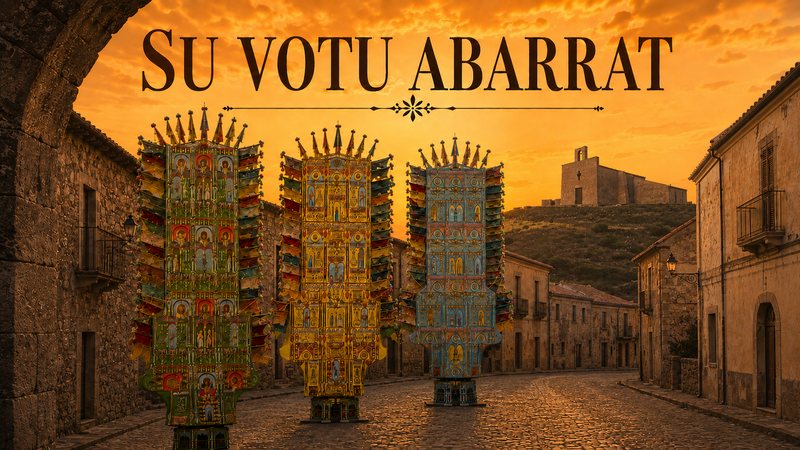
Su Votu Abarrat — Nulvi

Su Votu Abarrat

Nulvi·Logudorese of Nulvi

The candhaleris of Nulvi, carried on the shoulder to fulfil a vow. The song is dedicated — a chie leat sos candhaleris — to those who carry them.

Listen →
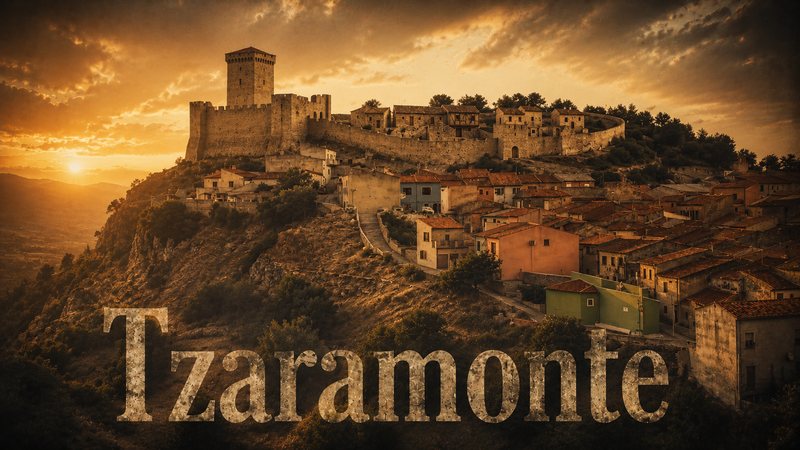
Tzaramonte — Chiaramonti

Tzaramonte

Chiaramonti·northern Logudorese

The first song in the series, and the one everything else came from: the village perched below the Doria castle. The project's three recurring voices were extracted from this recording, and its tempo — afro house at 122 bpm — set the sound of Istella.

Listen →

Paràulas Cantadas

Sardinian poems set to music, the text first.

Here the text comes first: a poem already written — mine, or by a Sardinian poet who entrusts it to me — and music that bends to the poem. No fixed style: a slow tempo, the voice up front. The poet is named when it is not me.

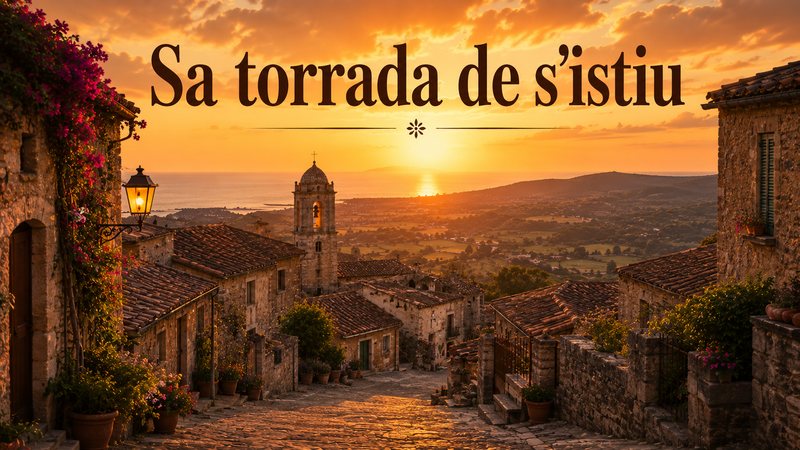
Sa Torrada de S'istiu — Sardinia

Sa Torrada de S'istiu

Sardinia·Sardinian

The first song in Paràulas Cantadas: a poem of mine, set to music. It belongs to no village, because its subject belongs to the whole island: separation.

Listen →
Why villages

Not the coast.

The Sardinia people usually sing is the one they visit. The one that interests me begins where the road signs to the sea stop.

A fact, not a memory.

Every text starts from something you can go and check: a dated parchment, an object in a museum, a census figure. Whatever remains disputed stays out of the story.

The village's own language.

Not Sardinian in general: that village's variety, reviewed and corrected before release by someone born there.

The next village

One message when a new song is out. Nothing else.

No advertising, no data sharing. Unsubscribe any time.

Write to me

If you know the village, the language or the history better than I do — and that is often the case — write to me. The corrections I have received so far have changed the lyrics, and they are credited on the song pages.

istellamusica@gmail.com